
The American electric grid is at an inflection point unlike anything seen in generations. After nearly two decades of flat demand, electricity consumption hit a record high in 2025, up 2% over 2024 and nearly 9% above 2020 levels. Utilities now project peak demand could grow by more than 166 gigawatts by 2030, a figure that has grown six-fold in just three years.
The drivers are structural: data centers expanding to support AI, the reshoring of American manufacturing, and the electrification of vehicles and buildings.
Verogy has been developing, financing, building, and operating commercial and industrial solar projects since 2017, producing over 120 MW of clean energy across nearly 130 renewable energy projects. We’ve watched the grid evolve up close, and what we see now is a once-in-a-generation opportunity to reshape how America generates and delivers power: one that clean energy developers are uniquely positioned to help realize.
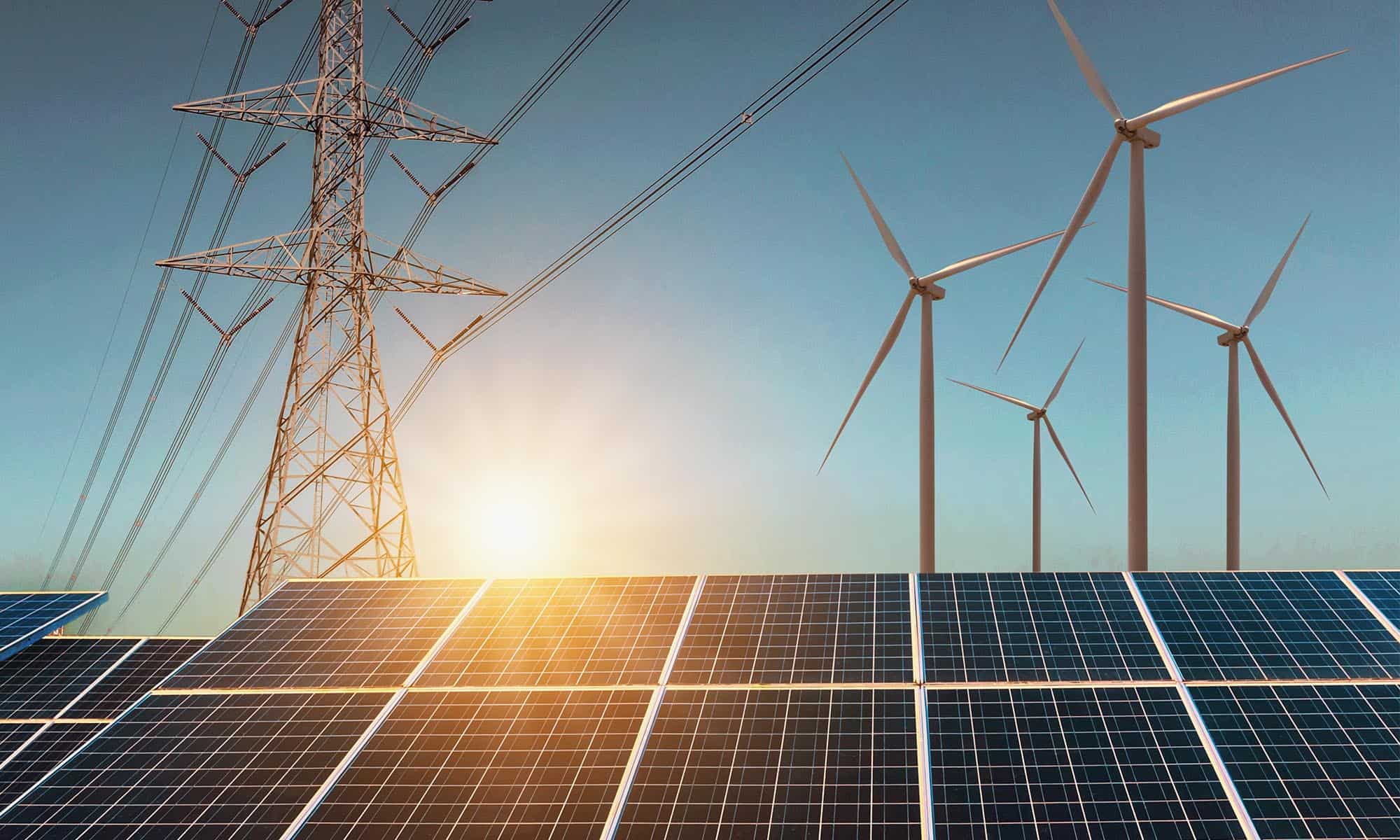
The Scale of What’s Coming Requires Every Available Tool
No single technology or fuel source will be enough to meet the demand surge ahead. What the data shows is that clean energy resources have become the dominant answer. In 2025, more than 90% of all new generating capacity added to the U.S. grid came from clean energy sources. Solar, wind, and battery storage are projected to add 60% more electricity to the grid in 2026 than they did in 2025.
The economics reinforce this. Solar panel prices have dropped roughly 90% over the past decade and battery storage costs have fallen approximately 80%. Strong demand growth combined with the rising cost of new conventional generation means clean energy resources are competing and winning on their own merits, independent of any particular policy environment.
Clean Energy Resources Are Built for This Moment
Responding to a demand surge of this scale requires resources that deploy quickly and scale to local conditions. Clean energy resources are well-positioned to do both.
Speed matters more than ever. The national interconnection queue contains more than 2,600 gigawatts of proposed projects with median wait times stretching to approximately five years. Clean energy resources connecting at the distribution level can often move from development to energization significantly faster, helping meet demand where and when it is growing.
Scale flexibility matters equally. The demand surge is geographically uneven, and the ability to right-size a generation resource to local conditions gives clean energy a deployment adaptability that few other resource types can match.
Battery storage is the grid’s new shock absorber. Storage grew 39% in 2025 and another 24 gigawatts are projected to come online in 2026. By decoupling generation from consumption, storage allows resources to serve demand when it peaks, providing the dispatchable capacity grid operators need most. It is a capability Verogy increasingly incorporates into our project designs, reflecting the fact that paired generation and storage systems deliver increased value to both clients and the grid.
Distributed Solar: Embedded Infrastructure for the Grid
There is a dimension of clean energy’s grid contribution that often goes underappreciated: distributed generation as embedded local infrastructure. In New England, behind-the-meter solar reduced overall grid demand by approximately 5% in 2024, and on a single day in June 2025, distributed solar saved the regional grid at least $8.2 million by reducing load during peak hours. These are measurable, recurring contributions to grid reliability delivered through individual projects at the distribution level.
Commercial and industrial solar systems serve facilities during the same hours the grid is under its greatest stress. That reduction in peak demand ripples outward, lowering wholesale electricity costs for all ratepayers and deferring expensive infrastructure upgrades. When battery storage is co-located, stored energy dispatched during evening demand peaks extends that grid value well beyond generation hours.
Our recent seven-project portfolio for the Connecticut Technical Education and Career System illustrates what this looks like in practice: nearly 4 megawatts of rooftop and carport solar installed across seven technical high schools, delivering an estimated $5.4 million in lifetime energy savings while offsetting approximately 2,290 metric tons of CO2 annually.
A Constructive Role in a Complex Moment
Grid modernization at the scale now required involves real challenges such as interconnection reform and updated planning processes. But the direction of travel is clear. Clean energy resources are competitive on economics, deployable at speed, scalable to local conditions, and capable of delivering grid benefits that extend well beyond any single project.
What gives us confidence is not just the national data; it’s what more than 100 years of combined industry experience across our team tells us about how these projects perform. Working with clients in every part of the country, the pattern is consistent: clean energy projects, well-designed and well-sited, don’t just serve the facilities they’re built for. They strengthen the grid those facilities depend on. That reality helps to drive our work, and is why we’re optimistic about what the clean energy transition can deliver, for our clients, for their communities, and for the grid as a whole.